Get Artwork That Motivates Imagination and Creativity


Strolling right into a space with bare walls can feel somewhat like conference someone who addresses in a monotone voice—practical, but lacking the spark that produces an interaction memorable. Art , particularly Abstract art , functions while the inflection because voice. It shows an account, pieces a mood, and reveals the smoothness of individuals who live there. But how will you start picking parts that more than fit the sofa?
Selecting art that inserts character into your home isn't about adhering to a strict set of style rules or getting what's currently topping the development charts. It's about curation, relationship, and understanding how visible things influence the psychology of a room.
Understanding the Psychology of Your Space
Before you even look at a material, look at the room. What's their purpose? A bedroom usually takes a sense of refuge and relaxed, while a full time income room or home might benefit from power and conversation starters.
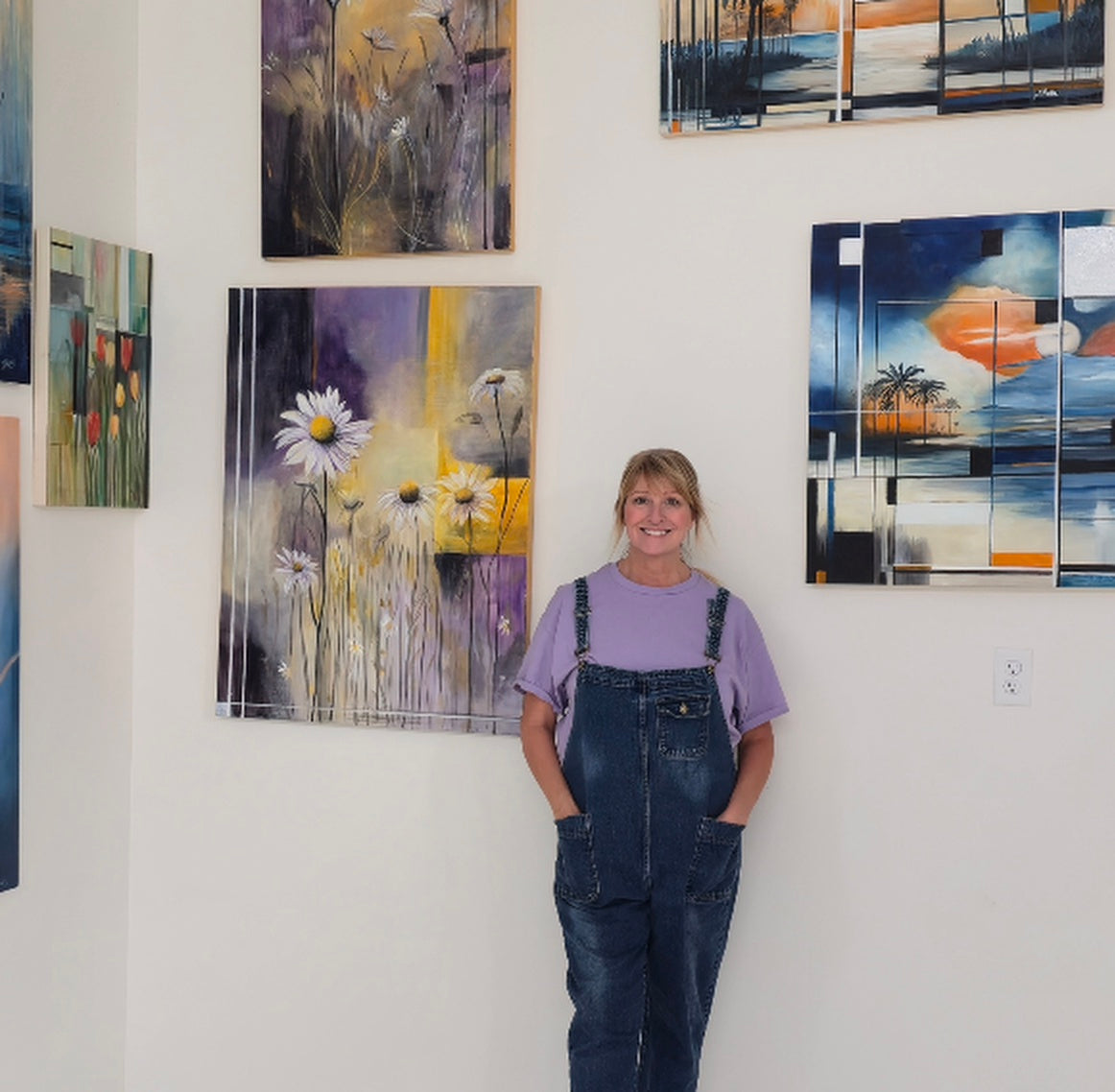
In accordance with inside style psychology, the colors and forms in art right impact mood. Delicate, streaming lines and great colors (blues, greens) tend to induce relaxation. On the other hand, sharp perspectives, bold strokes, and hot colors (reds, oranges, yellows) promote energy.
Actionable Idea: Stay in the biggest market of the space and ask yourself, "How do I wish to feel when I'm in here?" If the answer is "revived," search for abstract pieces with dynamic movement. If it's "grounded," consider areas or bumpy, earth-toned works.
Breaking Free from "Matchy-Matchy" Syndrome
One of many greatest mistakes homeowners produce is attempting to completely color-match art with their existing decor. While equilibrium is good, exorbitant control could make a space experience just like a shop rather than a home.
Original art should stand out, maybe not mix in. It provides as a central point. Rather than matching the actual shade of your toss pillows, look for art that contains complementary shades or supplies a impressive contrast. For example, a room dominated by basic beiges and creams may be quickly converted with a large-scale part offering strong charcoals or vibrant teals. The friction involving the decoration and the art is usually where the "personality" lives.
Mixing Mediums and Styles for Depth
A curated search rarely originates from buying three styles from exactly the same line and holding them in a row. To seriously put level and character, you'll need to mix it up.
Consider combining different mediums. If you have a large oil painting on a single wall, take to hanging an uneven textile piece, a framed drawing, or even a sculptural metal focus on another. The deviation in texture brings visible fat and interest.
Likewise, don't be afraid to mix eras and styles. A hyper-modern, abstract painting can look stunning in an area with conventional furniture, in the same way a vintage portrait could add heart to a smooth, contemporary apartment. This juxtaposition generates a narrative—it implies a life gathered over time as opposed to purchased in one single weekend.
The Importance of Scale and Placement
Also probably the most lovely original art loses their impact if it's the wrong size for the wall. A common pitfall is hanging a small bit on a large, bare wall, where it eventually ends up seeking lost and disconnected.
Principle of Flash: Art should generally use up two-thirds to three-quarters of the available wall space. In the event that you fall deeply in love with a smaller bit, don't power it onto an enormous wall alone. Alternatively, integrate it in to a gallery wall or use a greater figure with an extensive pad to provide it more presence.

Location is similarly crucial. Hanging art at vision stage is the standard advice, but "vision level" may vary. An excellent guideline is to hold the center of the artwork around 57 to 60 inches from the floor. That areas it easily within the subject of vision for most people, ensuring that the character you're attempting to inject is actually observed and appreciated.
Trusting Your Gut Reaction
Eventually, the most crucial factor in choosing original art is your emotional link with it. Does it cause you to stop? does it provoke a memory or even a feeling?
Developments diminish, but a mental answer frequently endures. Whenever you get art since you adore it, as opposed to because it matches a particular trend, you're authentically introducing a bit of yourself to the room. That authenticity is the description of personality.
Prepared to get that great piece? Begin exploring regional galleries or artist marketplaces nowadays to find work that speaks to you.